







2026 Fall Conference
SCFMA Fall Conference
|
|
|
|
|
Days |
Hrs |
Min |
Sec |
Welcome to South Carolina Fire Marshals Association
To encourage high professional standards of conduct among fire inspectors
Home Page Menu
Member Area Login
Are you a member of the South Carolina Fire Marshals Association? Login for full access.
Not a member yet? Click here to join
2024 SC Code Adoption
On , the South Carolina Building Codes Council adopted the latest editions of the mandatory codes and appendices with modifications, as referenced in S.C. Code Ann. §6-9-50 (1976, as amended), to be enforced by all municipalities and counties in South Carolina. The Council established the implementation date for local jurisdictions as January 1, 2027.


EXECUTIVE MEMBERS FOR 2025 - 2027


Welcome Newest Members to the Association
Please join the Association in welcoming its newest members. The following people have joined the Association since our last Spring Conference.
Jeremy Martin, County of Greenville
Mollie Hodges, County of Greenville
Richard Clifton Alexander, County of Greenville
Jessica L. Jordan, County of Greenville
Melvin "Bill" E. Collins, Midway Fire Rescue
Mark Nugent, Midway Fire Rescue
Darren Brock, County of Greenville
Thomas "Jayson" Edge, City of North Myrtle Beach
Adam Williams, Easley Fire Department
Timothy W. Williams, Abbeville County Fire Department
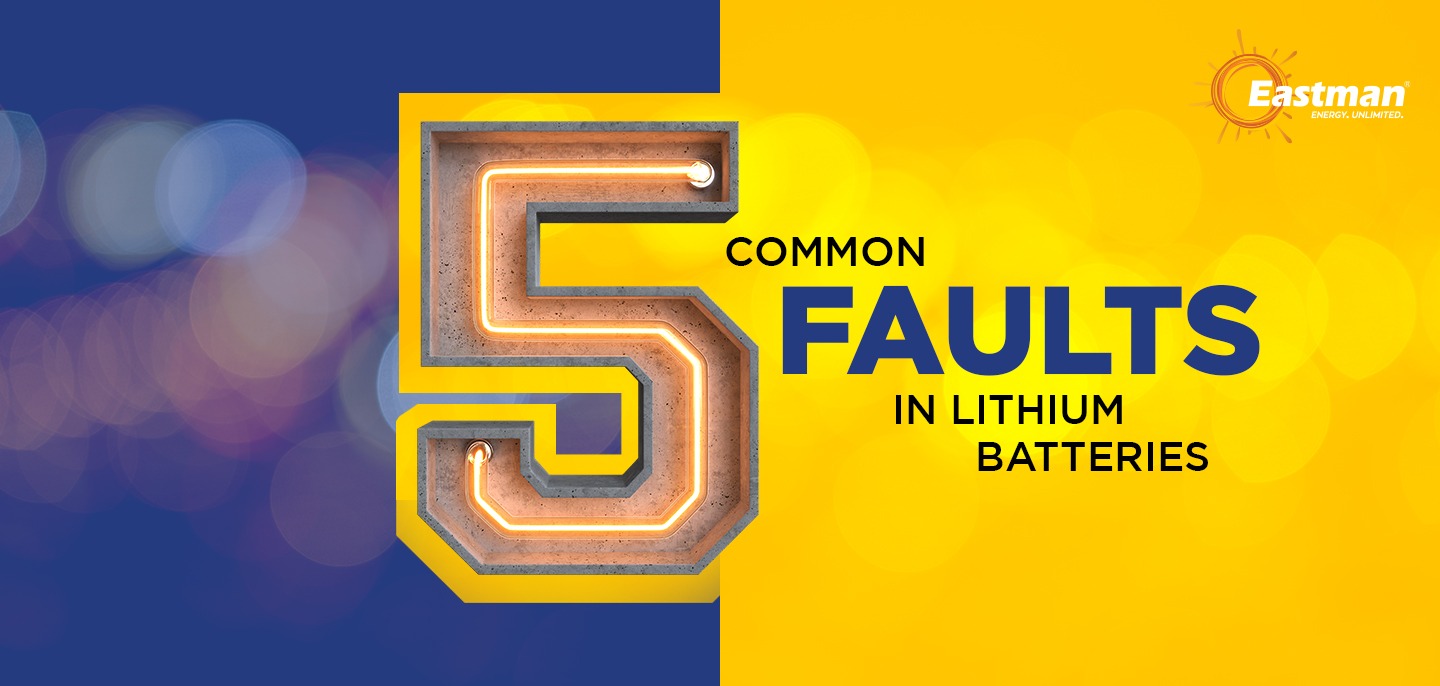
5 Common Faults in Lithium Batteries As renewable energy sources like solar power become more widespread, residential lithium-ion battery storage systems have become essential for homeowners looking to store energy for later use. These systems help reduce dependence on the grid, lower electricity bills, and provide backup power during outages. However, like all technology, lithium-ion batteries are susceptible to faults and performance issues. Understanding these common problems can help homeowners maintain their systems properly and maximize the lifespan and efficiency of their storage batteries. In this blog, we'll explore the most common faults in residential lithium storage batteries and provide some tips on how to address them. 1. Overcharging and Over discharging Overcharging occurs when a battery is charged beyond its maximum voltage capacity, and over discharging happens when the battery is drained below a safe voltage level. Both of these conditions can damage the battery’s internal components, reducing its lifespan and efficiency. Causes: Faulty Battery Management System (BMS): The BMS is responsible for monitoring battery health and preventing overcharging or overdischarging. If the BMS malfunctions, it can fail to protect the battery from these issues. Poor Charging Practices: Using the wrong type of charger or charging the battery too often can cause overcharging, especially if the system is not managed properly. Prevention: Monitor Charging Cycles: Use a reliable Battery Management System (BMS) that can track charging and discharging cycles. Many residential systems come with apps or monitoring tools that allow you to keep track of battery health. Automatic Cutoffs: Modern lithium storage systems are designed with automatic cutoff points that disconnect the battery once it reaches a full charge or near depletion, preventing damage. 2. Battery Swelling Battery swelling is a common issue, especially with older or poorly-maintained lithium-ion batteries. This occurs when the battery cells overheat, often due to overcharging, overdischarging, or exposure to extreme temperatures. Causes: Excessive Heat: Overcharging, poor ventilation, and exposure to high temperatures can cause the battery to overheat, which leads to internal chemical reactions that create gas buildup, causing the battery to swell. Age and Wear: Over time, repeated charging and discharging cycles can lead to the degradation of the battery’s internal components, making it more prone to swelling. Prevention: Proper Ventilation: Ensure that the battery storage area is well-ventilated to prevent heat buildup. Keep the battery away from direct sunlight or heat sources. Temperature Management: Use temperature sensors and systems that monitor the battery's operating temperature. Some lithium-ion batteries are equipped with thermal management features to regulate internal temperature. 3. Capacity Loss Over time, all lithium-ion batteries experience some level of capacity loss, meaning they can't store as much energy as they once could. However, rapid or significant capacity loss within a short period can indicate a problem with the battery. Causes: Repeated Overcharging or Overdischarging: Frequent overcharging or deep discharging can stress the battery and accelerate capacity degradation. High Cycling Frequency: A high number of charge and discharge cycles, particularly at high rates, can also contribute to the loss of capacity. Poor Battery Quality: Some cheaper, lower-quality lithium-ion batteries may degrade faster than higher-quality counterparts. Prevention: Regular Monitoring: Use a Battery Management System (BMS) or a monitoring app to track battery health and ensure you're not overcharging or overdischarging your system. Use the Battery Efficiently: Try not to constantly deplete the battery to its lowest charge or charge it to full capacity. Keeping the battery between 20% and 80% charge can help prolong its lifespan. 4. Voltage Imbalance Between Cells Lithium-ion batteries typically consist of multiple cells connected in series and parallel to achieve the desired voltage and capacity. If these cells are not properly balanced, some cells may become overcharged or undercharged, leading to reduced efficiency and potential damage. Causes: Defective BMS: A faulty BMS may fail to balance the voltage across individual cells, causing some cells to charge at different rates than others. Ageing Cells: Over time, the internal resistance of individual cells may increase, causing voltage imbalances. Prevention: Balanced Charging: Use a BMS with active cell balancing features to ensure that all cells maintain a similar charge level. Regular Inspections: Inspect the battery periodically for signs of imbalance, such as inconsistent voltage readings across cells. Many systems have built-in diagnostics for this. 5. Thermal Runaway Thermal runaway is one of the most dangerous issues with lithium-ion batteries. It occurs when a battery experiences a rapid increase in temperature, often leading to a fire or explosion. Thermal runaway is typically caused by internal short circuits, overcharging, or physical damage to the battery. Causes: Overcharging: Charging a battery beyond its voltage limit can increase internal temperature, eventually triggering thermal runaway. Internal Short Circuits: A short circuit can occur due to physical damage to the battery cells or degradation over time. External Heat Sources: Exposure to high ambient temperatures or direct sunlight can cause a lithium battery to overheat, increasing the risk of thermal runaway. Prevention: Proper Battery Management: Ensure that your BMS has built-in protection against overcharging, over discharging, and temperature extremes. Temperature Control: Install a thermal management system or cooling fans in the battery storage area to prevent excessive heat buildup. Use Quality Batteries: Ensure that your battery comes from a reputable manufacturer with built-in safety mechanisms.
December 02, 2024
In August 2014 the Pipeline and Hazardous Materials Safety Administration (PHMSA) was taking actions to raise awareness of the hazards associated with compressed gas cylinders following a large propane cylinder rupture on a food truck in Philadelphia, PA, that resulted in deaths and injuries. Their campaign focused, in part, on the basics of how to inspect a cylinder for serviceability, and how to identify an out-of-test cylinder.
